Introduction
Healthcare manufacturers face growing pressure to reduce the environmental impact of plastic components. With medical waste volumes rising and environmental regulations tightening globally, the shift toward lower-carbon materials is increasingly becoming a key procurement criterion.
Why Healthcare Manufacturers Are Rethinking Plastics
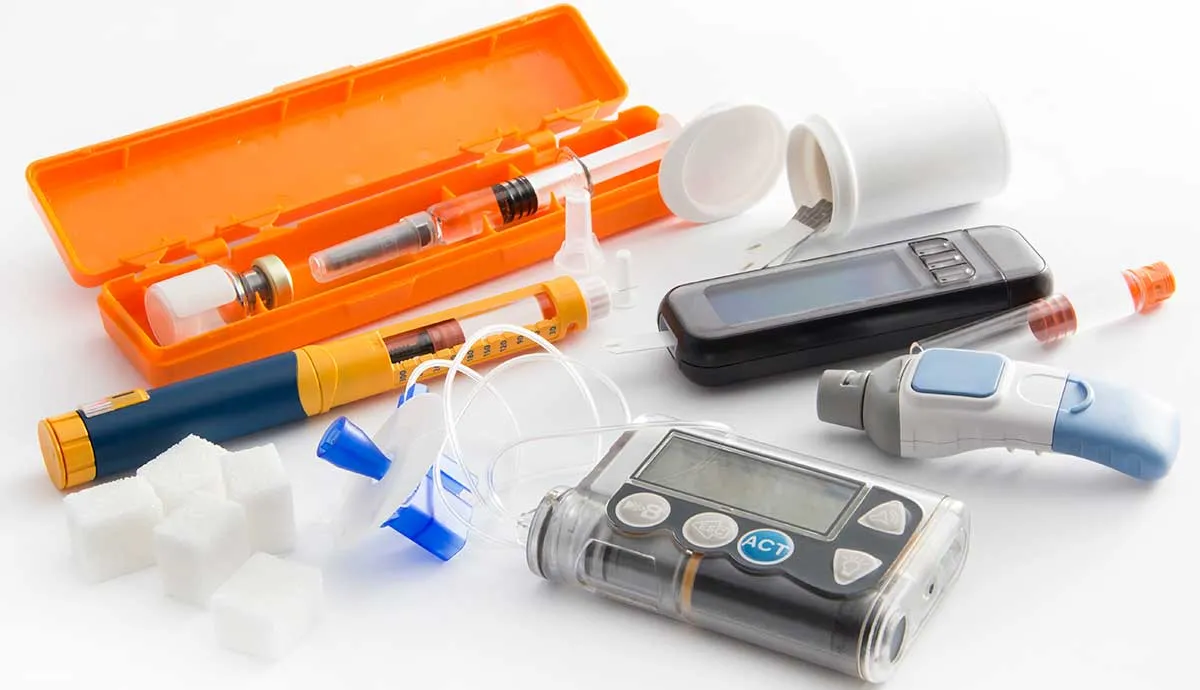
Healthcare manufacturers rely on plastics for pharmaceutical bottles, drug delivery devices, monitoring equipment, surgical instruments, and labware because of the material’s durability, versatility, and processing efficiency. Standard polymers such as polyolefins, polyesters, polycarbonates, acrylonitrile butadiene styrene (ABS), polyoxymethylene (POM), and polybutylene terephthalate (PBT) dominate the sector.
However, these fossil-fuel-based polymers carry a significant carbon footprint. As hospitals, device manufacturers, and regulatory agencies intensify their focus on Scope 3 emissions and ESG commitments, bio-based alternatives are moving from niche experiments to commercially viable options. Resin producers now offer bio-based polyolefins and other polymers pre-tested to healthcare standards, enabling the industry to transition without redesigning manufacturing processes.
Bio-based polymers use renewable feedstocks — such as corn, sugarcane, and vegetable oil — that capture atmospheric CO₂ during plant growth, resulting in a lower carbon footprint than their fossil-based equivalents.
How Bio-Based Polymer Colorants and Additives Work
Mevopur™ Healthcare Bio-based Polymer Solutions from Avient are color and performance-enhancing additive solutions specially formulated with bio-based polymers for healthcare applications. These materials serve as drop-in replacements for fossil-fuel-based polymer solutions during injection molding, blow molding, or extrusion.
Available product forms include:
- Concentrates (masterbatches): Color and additive polymer solutions incorporated into the virgin polymer at a specified ratio called let-down ratio
- Pre-colored compounds: Ready-to-use compounds containing the adequate colorant and additive levels, requiring no dilution
The portfolio covers bio-based polypropylene, polyethylene, polycarbonate, styrenic resins, and ABS, with bio-based content ranging from 70% to 100% depending on the polymer grade. Avient healthcare materials experts can advise which form is most useful for specific project requirements.
Why Choose an ISCC PLUS Certified Product
The International Sustainability and Carbon Certification (ISCC) PLUS certificate is a voluntary system applicable to the bioeconomy and the circular economy, recognized by the European Commission as compliant with the Renewable Energy Directive (recast) (RED II). It verifies the additional efforts companies make beyond regulatory compliance, enabling tracking of alternative materials throughout the supply chain by offering different chain-of-custody options: physical segregation, controlled blending, and mass balance.
Two Mevopur manufacturing sites — in Malmö, Sweden, and Jurong, Singapore — hold ISCC PLUS accreditation following the mass balance chain-of-custody approach. This approach is used for complex production systems where sustainable and fossil feedstocks are mixed. Sustainability benefits are tracked and assigned to the final products via rigorous accounting and third-party certification. The bio-based content for Mevopur products manufactured at these sites is provided to customers in a sustainability declaration. Customers can also request the Product Carbon Footprint (PCF) value of the Mevopur solution, calculated using a third-party certified PCF calculator.
What Regulatory Pre-Testing Means for Product Timelines and Compliance
A primary concern for healthcare manufacturers evaluating new materials is regulatory compliance. Every Mevopur™ polymer solution uses raw materials pre-tested to key healthcare standards, including:
- ISO 10993-1 — Biological evaluation of medical devices
- USP Class VI (USP <87> and <88>) — In-vitro and in-vivo reactivity testing
- European Pharmacopoeia (EP) 3.1.3 / 3.1.5 — Polyolefin packaging materials
- USP <661.1> — Plastic packaging systems and materials (polyethylene)
- ICH Q3D — Elemental impurities guidelines from the International Council for Harmonization
Avient maintains documented change control beyond tracking Chemical Abstracts Service (CAS) numbers and provides Registered Drug Master File (DMF) and Device Master File (MAF) documentation for the Mevopur portfolio. This pre-testing framework helps reduce the risk of non-compliance during regulatory submissions and can help to accelerate development timelines.
How to Start Transitioning to Bio-Based Medical Plastics
Moving to bio-based materials does not require overhauling existing manufacturing lines. The following steps outline a practical transition path:
- Evaluate current polymer usage: Identify components where polyolefins, polycarbonate, styrenics, or ABS serve as the base resin, as these have bio-based alternatives in the Mevopur portfolio.
- Assess the best product form: Avient healthcare experts can advise whether a concentrate or pre-colored compound fits specific processing parameters and application requirements.
- Leverage existing processing equipment: Bio-based Mevopur solutions process on conventional injection molding and extrusion equipment at standard settings, minimizing capital investment.
- Pursue ISCC PLUS traceability: Sourcing ISCC PLUS-certified materials from Avient’s accredited sites provides verifiable chain-of-custody documentation for sustainability reporting.
- Quantify carbon reduction: Bio-based content of 70–100% in the carrier resin translates to measurable Scope 3 emission reductions.
Applications span housings for drug delivery and diagnostic devices; pharmaceutical containers and closures, labware tubes, syringes, and cannulae. The breadth of available polymer types — polypropylene, polyethylene, polycarbonate, styrenics, and ABS — means that most standard healthcare plastic components have a viable Mevopur bio-based alternative.
Conclusion
Reducing the carbon footprint of medical plastics has moved from an aspirational goal to a competitive advantage. Tightening sustainability regulations and growing ESG expectations from healthcare procurement organizations mean that manufacturers who adopt bio-based materials now position themselves ahead of both regulatory timelines and market expectations.
Mevopur Healthcare Bio-based Polymer colorants and additives from Avient offer a practical, drop-in path to lower carbon emissions without sacrificing the regulatory compliance or processing compatibility that healthcare manufacturing operations demand.
Learn more about Mevopur Healthcare Bio-based Polymer Solutions and connect with an Avient healthcare materials expert to evaluate bio-based alternatives for an upcoming project.